



Home / Surfboards explained / How surfboards work
Basic knowledge of hydrodynamics can help you understand how surfboards move through water. With this understanding you can cut through the hype and choose the right surfboard with peace of mind.
1
The maximum paddle speed is determined by the length of the surfboard.
You can build up speed by paddling until a point is reached where you cannot go any faster. The longer your board, the higher your maximum paddle speed. This does not say anything about how fast you reach that maximum paddle speed. It is just important to know that there is a maximum.
2
The maximum paddle speed is important but also how fast you can reach that maximum.
A longer board will have a higher maximum paddle speed, but the time needed to reach that maximum will be longer.
Notice:
3
A fin generates lift and drag from the water flowing over it.
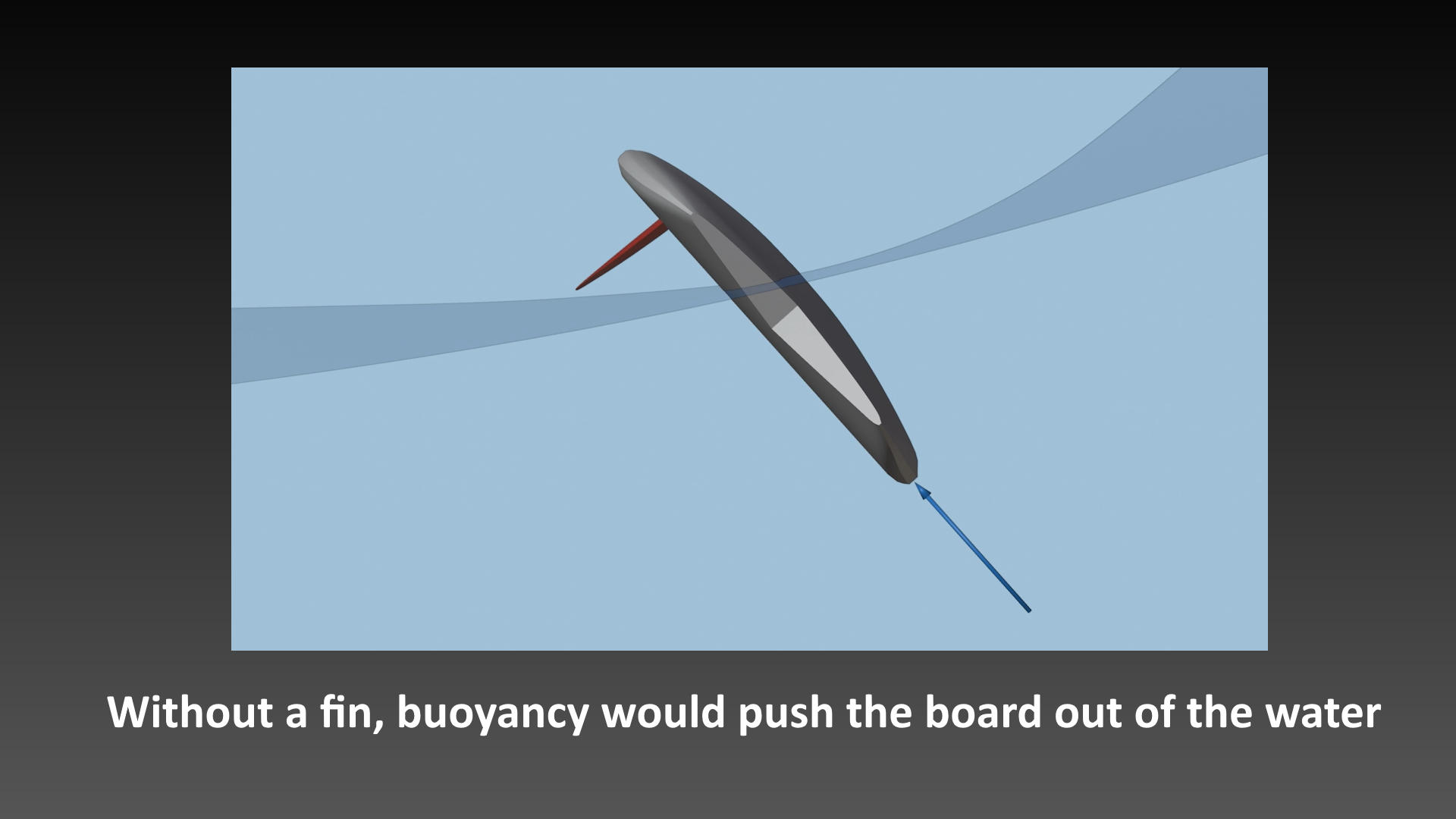
A fin’s job becomes clear the moment it breaks: without it, the board loses grip and slides out of the wave. In a bottom turn the board is on its rail and only the fins in the water are doing the work.
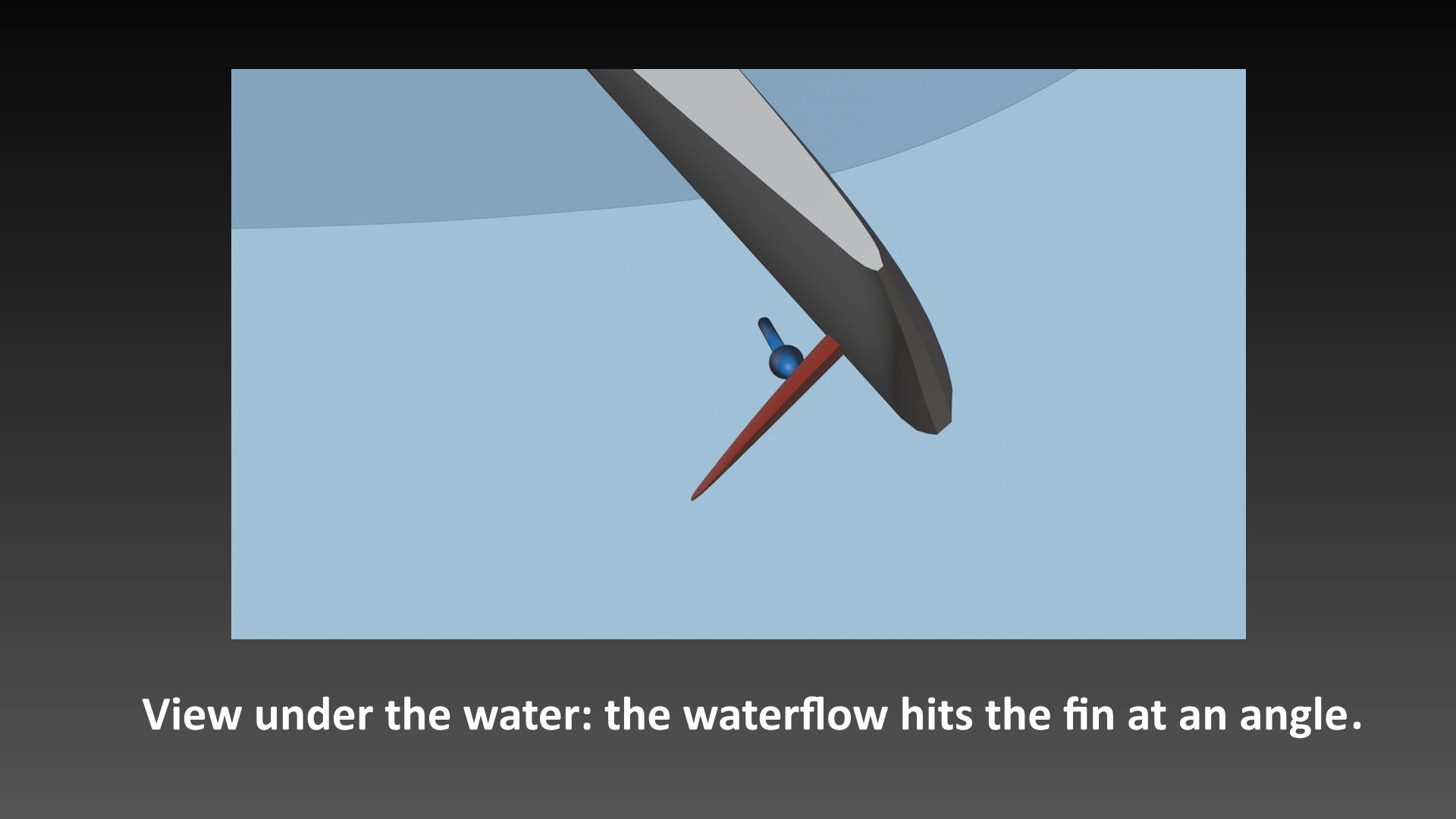
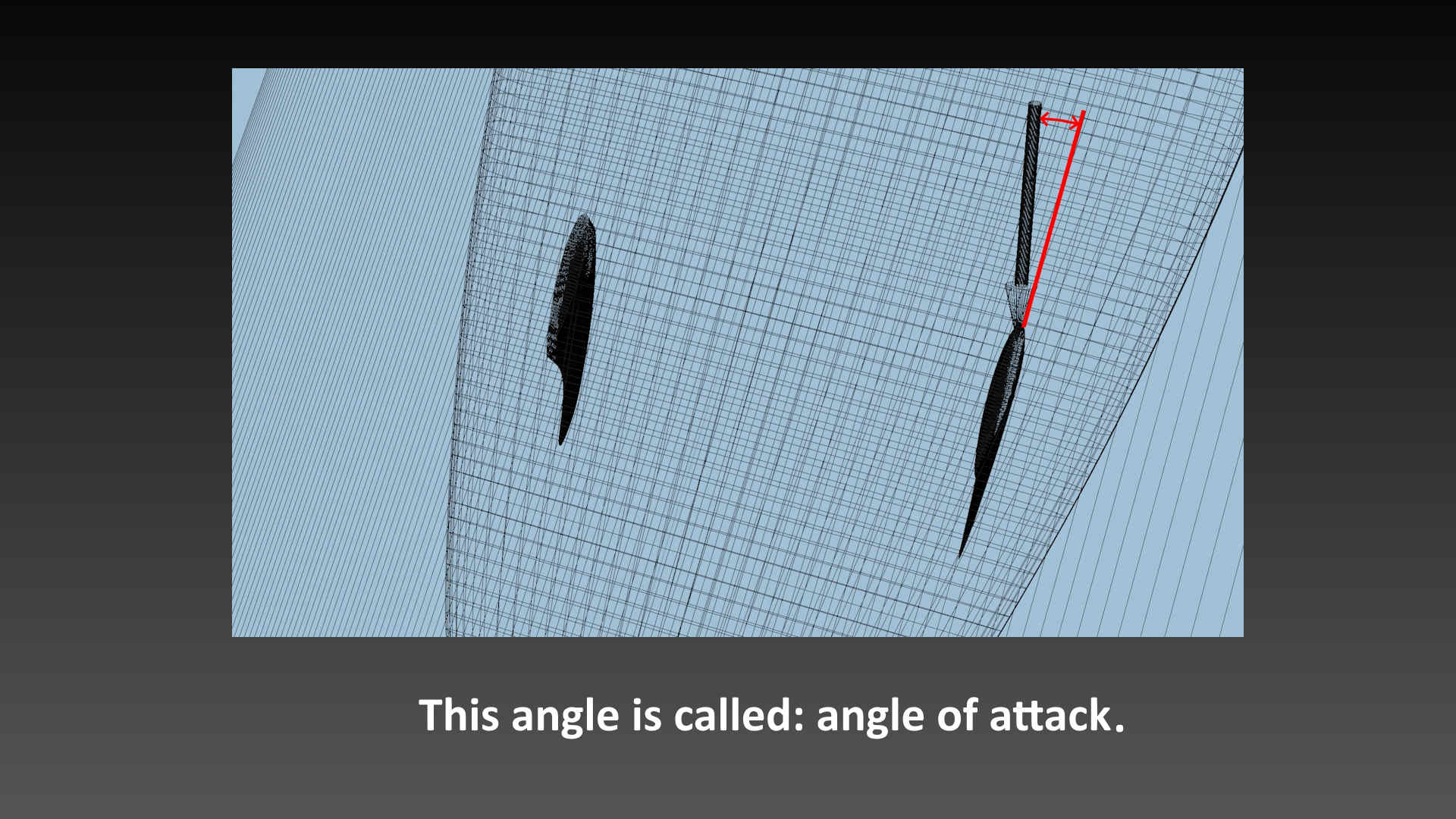
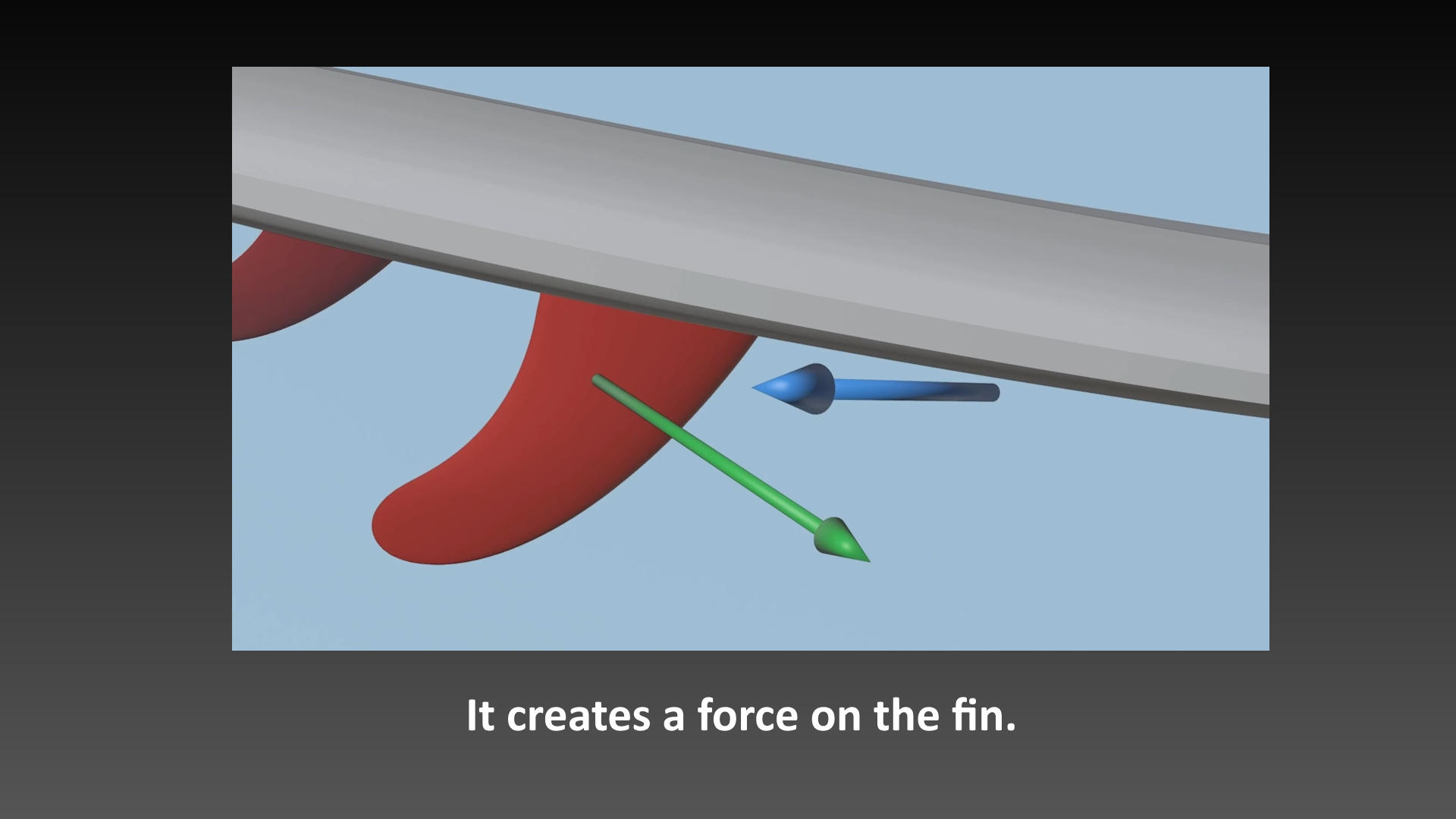
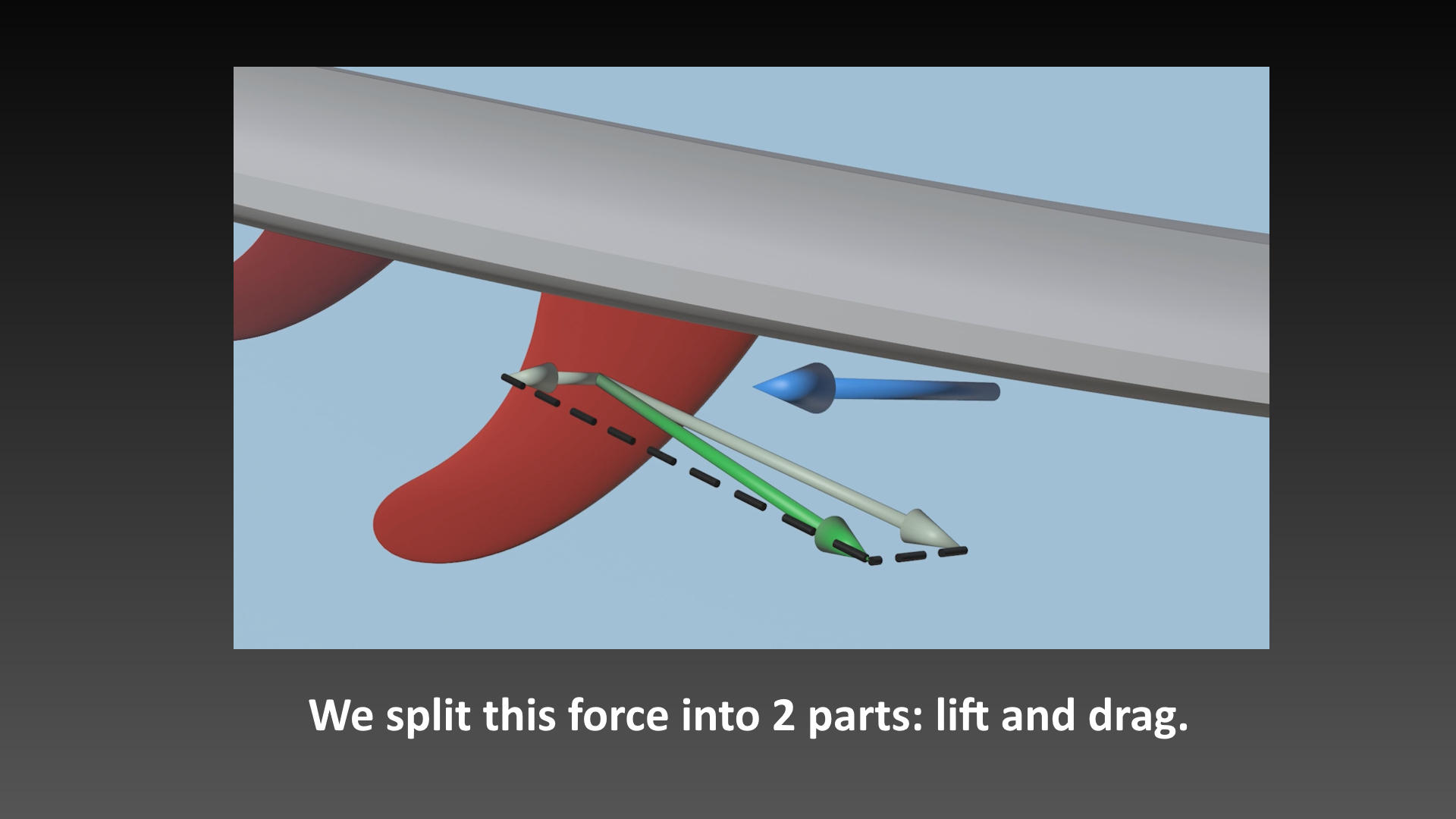
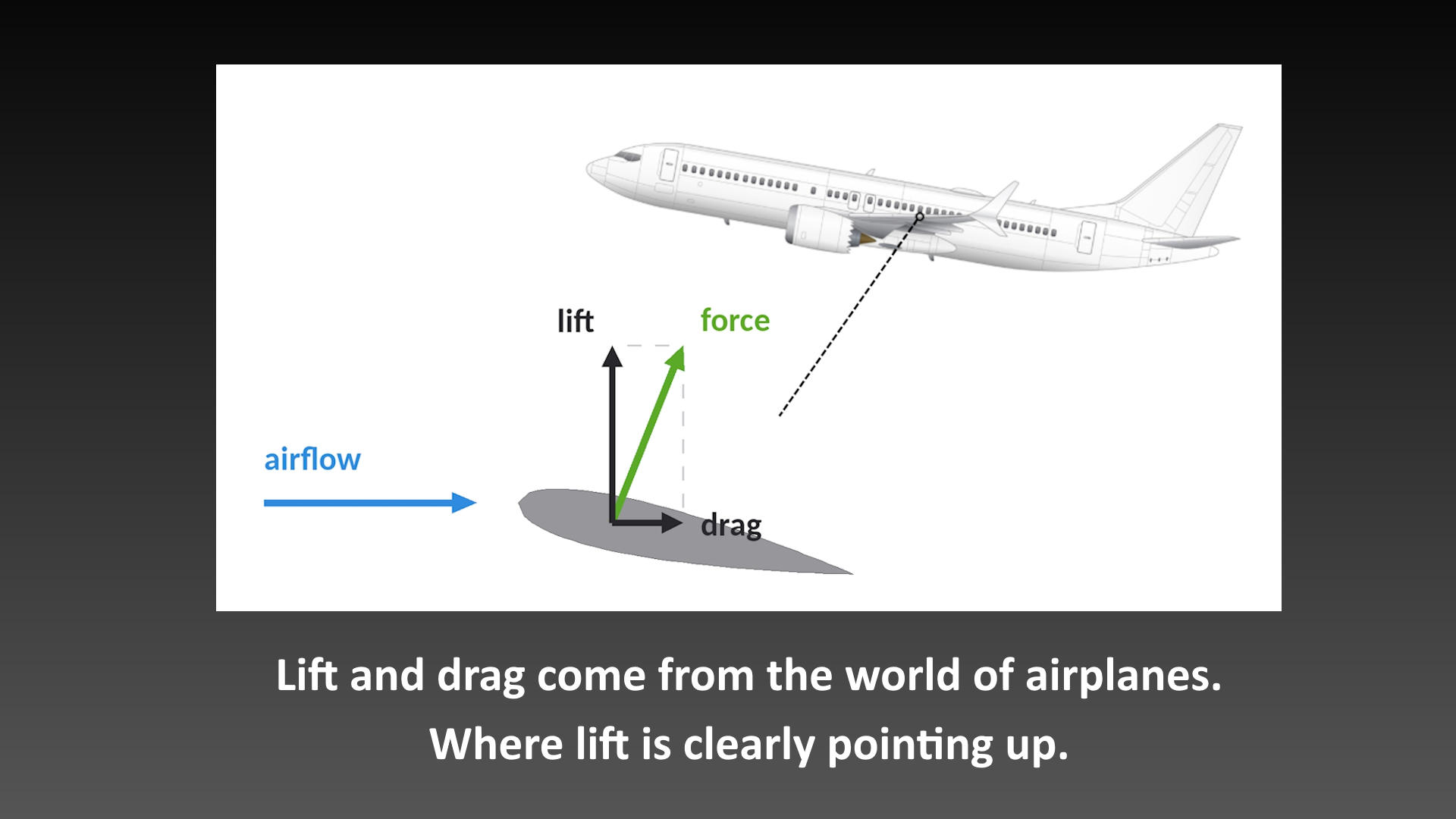
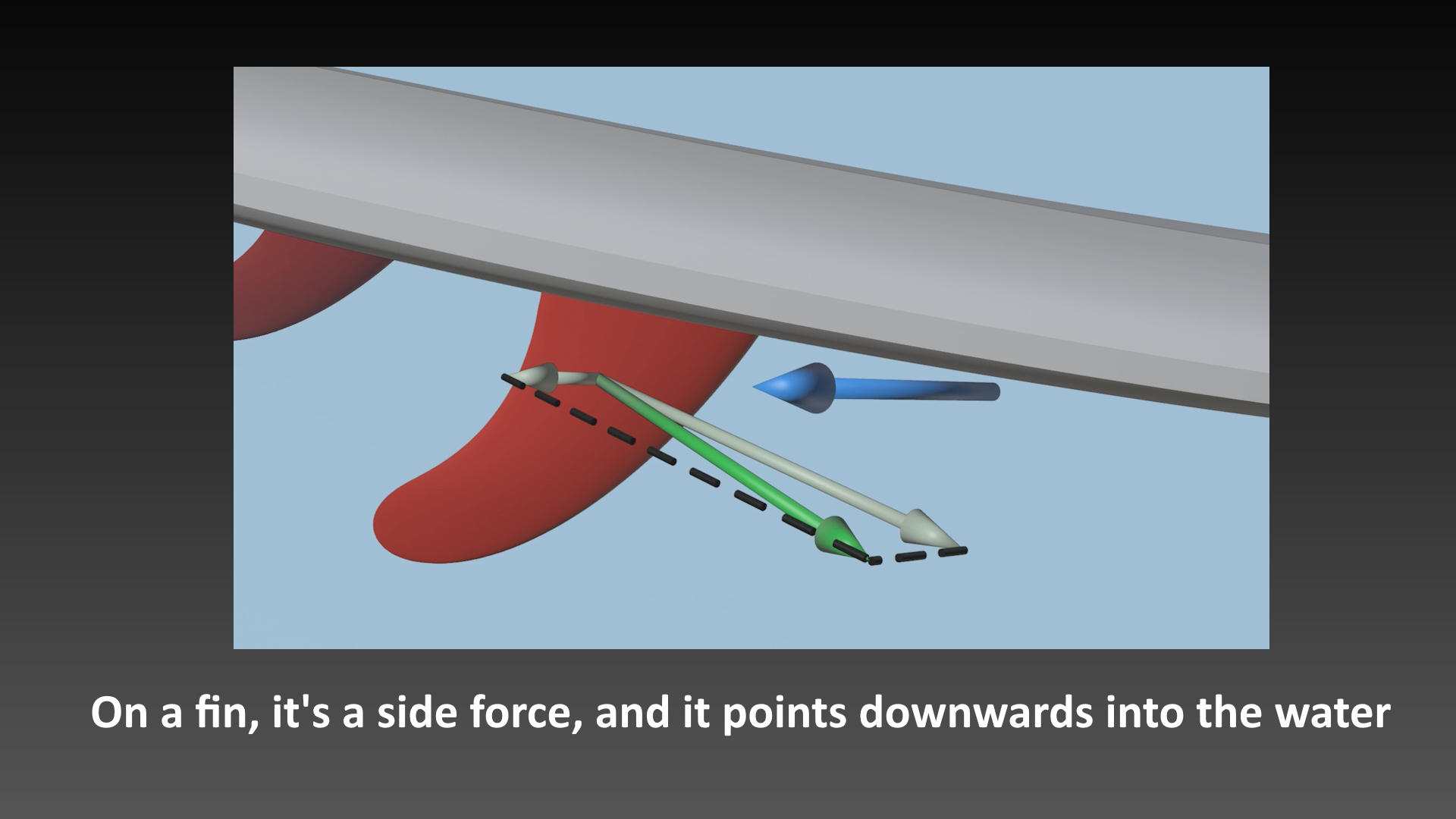
Water runs along the fin and hits it at an angle. We call this, the angle of attack. It is the angle between the water flow and the direction the fin points. This flow creates a force on the fin. We split this force into two parts.
The part along the flow is drag, and the part perpendicular to the flow is lift. The word lift comes from aviation, where it is the upward force on a wing, but on a fin it is a side force that actually points down into the water, so lift here does not mean “up.”
Lift is the part we want, because it gives the board its grip, while drag is unavoidable and simply slows us down.
Lift and drag depend on the speed of the board, the fin (size and shape) and the angle of attack. Speed has by far the biggest effect on how much force a fin produces.
Depending on the waves and how we want to surf, we adapt the fin’s size and shape.
We use cookies to improve your experience on our website. You can choose to Accept or Deny cookies. Essential cookies are always active.